
GLP-1 medications, like semaglutide (Ozempic) and tirzepatide (Mounjaro), offer fast weight loss by suppressing appetite and regulating insulin. However, they come with high costs, potential side effects, and weight regain risks once stopped. In contrast, natural weight loss methods used at Skinny Seattle focus on hormone balance, metabolism support, and sustainable lifestyle change—especially for women over 40. This article compares the long-term effectiveness of GLP-1s versus holistic, root-cause-based approaches, helping readers choose the right path for sustainable fat loss. |
Understanding the Weight Loss Landscape for Women Over 40
If you’re a woman over 40, you’ve likely noticed that what used to work for weight loss—cutting calories, increasing cardio, trying the latest diet trend—just doesn’t deliver the same results anymore. That’s not your fault. It’s your biology.
As estrogen and progesterone levels decline in perimenopause and menopause, they take your metabolic flexibility, sleep quality, and muscle retention with them. Combine that with a lifetime of stress, busy schedules, and misinformation about diet culture, and sustainable fat loss becomes a frustrating puzzle.
At Skinny Seattle, we specialize in helping women unravel that puzzle through root-cause solutions. Before jumping into the latest weight loss trend or medication, it’s worth understanding how your body actually works—and what it needs to change for good.
What Are GLP-1 Medications and How Do They Work?
GLP-1 receptor agonists, such as semaglutide (Ozempic, Wegovy) and tirzepatide (Mounjaro), are prescription medications originally developed for type 2 diabetes. Recently, they’ve made headlines as powerful appetite suppressants that help people lose weight—sometimes dramatically.
These drugs mimic a natural gut hormone that slows gastric emptying, reduces hunger signals, and improves insulin sensitivity. The results? People feel full faster, eat less, and lose weight. For many, it feels like a miracle.
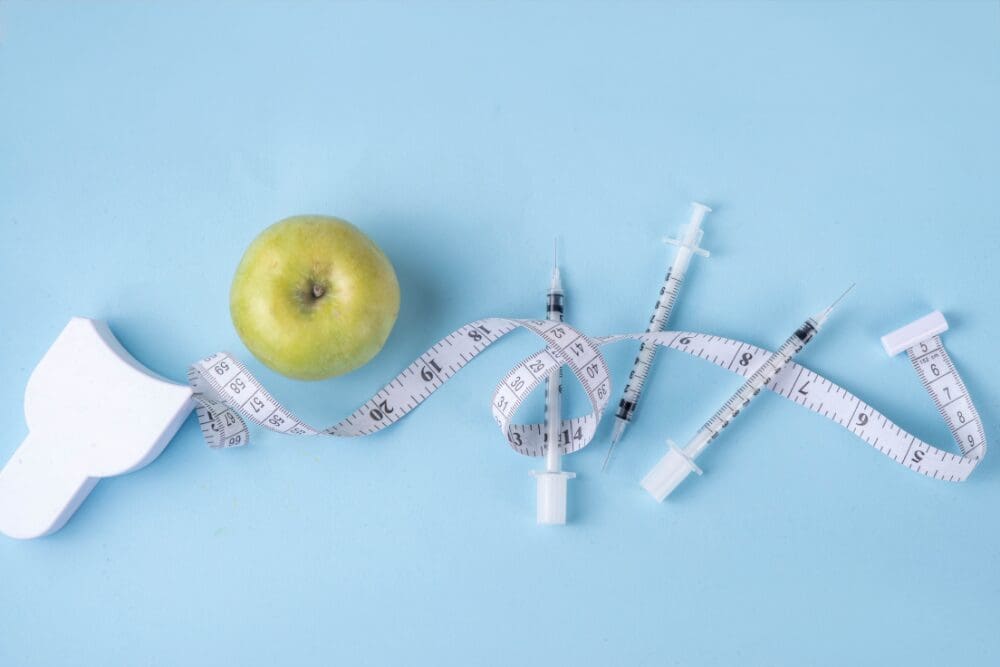
GLP-1 Side Effects & Limitations:
- Nausea, vomiting, constipation
- Muscle loss with rapid weight loss
- High monthly costs ($1,000+ without insurance)
- Weight regain after stopping is common
- Long-term safety still under study
According to a large peer-reviewed review published in the National Library of Medicine (PubMed Central), GLP-1 medications can produce substantial short-term weight loss—averaging 15–25% body weight reduction after about one year. However, the review highlights significant concerns around long-term sustainability, including gastrointestinal side effects, potential loss of lean body mass, premature facial aging, and a high rate of weight regain once the medication is discontinued. The authors emphasize that achieving success with pharmacologic treatment should ideally be followed by a structured transition and weaning strategy to avoid long-term metabolic harm.
Read: Weight Reduction with GLP-1 Agonists and Paths for Discontinuation While Maintaining Weight Loss
What Natural, Sustainable Weight Loss Looks Like
Natural weight loss after 40 isn’t about willpower. It’s about working with your body’s hormonal rhythms, not against them.
At Skinny Seattle, we guide clients through our personalized Metabolic Reset Program—an evidence-based approach focused on lab testing, lifestyle coaching, and lasting results.
Core Elements of Natural Weight Loss:
- Hormone balance: Including cortisol, insulin, thyroid, and sex hormones
- Stable blood sugar: Prevents cravings, fatigue, and fat storage
- Anti-inflammatory nutrition: Minimizes water retention and supports gut health
- Sleep & recovery: Critical for leptin, ghrelin, and cortisol regulation
- Muscle preservation: Resistance training + protein for metabolic support
This isn’t about eating less and moving more. It’s about healing what’s under the surface.
“After trying everything, Skinny Seattle helped me finally understand my metabolism. I lost 35 lbs and kept it off.” – Janette, 54
GLP-1 vs Natural Weight Loss: Key Differences That Matter
Let’s break it down:
Feature | GLP-1 Medications | Natural Weight Loss with Skinny Seattle |
Speed | Rapid (2-5 lbs/week) | Steady (1-2 lbs/week) |
Sustainability | Often regains post-treatment | Long-term lifestyle change |
Muscle Mass | Can decrease | Preserved via protein + strength |
Cost | $1,000+/month | Affordable coaching + labs |
Approach | Appetite suppression | Root-cause healing |
Bottom Line:
- GLP-1s can be a helpful tool, especially when supervised.
- But they don’t address why your body is storing fat in the first place.
- Natural methods offer deeper, lasting transformation.
When It Makes Sense to Combine Both
Some clients choose to start on GLP-1s to jumpstart progress, then transition to a natural program to maintain results. At Skinny Seattle, we support both paths—without judgment.
Our team has worked with clients:
- Already using GLP-1s and fearing regain
- Hoping to wean off meds without rebounding
- Seeking a root-cause plan that complements their medication
“I was on Wegovy for 3 months but scared to stop. Skinny Seattle helped me build a plan, taper off, and continue losing naturally.” – Lisa, 47
What Works Long-Term—And What’s Right for You
GLP-1s may be helpful for short-term results or specific metabolic challenges. But sustainable weight loss for women over 40 requires more than a prescription. It requires:
- Understanding your lab markers
- Supporting your hormones
- Healing your metabolism
- Creating a lifestyle that works for you
At Skinny Seattle, we believe:
“It’s not about getting skinny. It’s about getting healthy.”
Let us help you figure out the right approach—whether that includes medical tools, holistic support, or both.
Take the next step:
Frequently Asked Questions: GLP-1 vs. Natural Weight Loss
Is GLP-1 Weight Loss Sustainable Long-Term?
GLP-1 medications can support short-term weight loss, but research and clinical experience show that many people regain weight after stopping unless underlying metabolic, hormonal, and lifestyle factors are addressed. A large peer‑reviewed review of global obesity data notes that while GLP‑1 medications can reduce body weight by approximately 15–25% after one year, they also carry known risks, including gastrointestinal side effects, potential loss of lean body mass, facial aging, and a high rate of weight regain once the medication is discontinued. The authors emphasize that pharmacologic success followed by a structured weaning strategy is ideal—rather than long‑term dependence. At Skinny Seattle, GLP-1s are viewed as a temporary tool—not a long-term solution—unless paired with metabolic repair.
What Happens When You Stop Taking GLP-1 Medications?
Many people experience increased appetite, slowed metabolism, and weight regain after stopping GLP-1 medications. This occurs because the medication suppresses hunger signals without fixing insulin resistance, hormone imbalance, or muscle loss. Skinny Seattle specializes in helping patients transition off GLP-1 safely while preserving results.
Is Natural Weight Loss After 40 Actually Possible?
Yes—but it requires a different approach. After 40, weight loss depends less on calorie restriction and more on hormone balance, insulin sensitivity, muscle preservation, and nervous system regulation. Skinny Seattle’s metabolic programs are designed specifically for this stage of life.
Do GLP-1 Medications Cause Muscle Loss?
Studies suggest that rapid weight loss from appetite suppression—including GLP-1 use—can result in loss of lean muscle mass if protein intake and strength training are not prioritized. Muscle loss can slow metabolism long-term, which is why Skinny Seattle emphasizes body composition, not just scale weight.
Why Do Women Over 40 Struggle More With Weight Loss?
Declining estrogen, rising cortisol, insulin resistance, and reduced muscle mass all contribute to slower metabolism in midlife. Traditional diet plans often fail because they do not account for these hormonal shifts. Skinny Seattle uses lab testing to identify and correct these root causes.
Is It Better To Use GLP-1 Or A Natural Metabolic Program?
The best approach depends on the individual. For some, GLP-1 medications can be helpful short-term. For long-term success, combining medical tools with natural metabolic healing—nutrition, hormones, muscle, and habits—produces the most sustainable results. Skinny Seattle bridges both worlds.
Can You Lose Weight Naturally After Using GLP-1s?
Yes. Many patients successfully maintain or continue weight loss after GLP-1s when they follow a structured metabolic reset plan. Skinny Seattle focuses on rebuilding appetite regulation, metabolic flexibility, and muscle so results last without medication dependence.
Why Do Diets Stop Working As You Age?
Repeated dieting trains the body to conserve energy, lower metabolic rate, and resist fat loss. Over time, this creates metabolic adaptation. Skinny Seattle’s approach reverses this by restoring fuel balance instead of chronic restriction.
How Does Skinny Seattle Personalize Weight Loss?
Skinny Seattle uses advanced hormone testing, metabolic assessments, nutrition coaching, and strength-based programming to tailor care. No two bodies—or midlife metabolisms—are the same.
Who Should Consider A Metabolic Consultation Instead Of Another Diet?
If you’ve tried dieting, exercise programs, or medications without lasting success—or if weight returns after stopping GLP-1s—a metabolic consultation can uncover what’s actually blocking progress. Skinny Seattle helps patients move from frustration to clarity.
Ready to understand what your body actually needs? Schedule a consultation with Skinny Seattle or take the free metabolic assessment to get personalized guidance.
About the Author Dr. Mary Klimek, DC | Functional Health Practitioner Dr. Klimek specializes in hormone-aware wellness for midlife adults. Her work focuses on identifying metabolic imbalances, simplifying daily habits, and promoting sustainable change. She supports clients across the Eastside, including Bellevue, Kirkland, and Issaquah and remotely throughout all of Washington. |